
ARTICLE AD BOX
Kathy Cargill, who generated an intense backlash in Duluth when she bought up over a dozen properties in the city’s beloved Park Point neighborhood over the past few years — and subsequently bulldozed many of the homes that stood on them — is now selling about half of the properties she purchased.
Three of the properties have been consolidated into a single lot along the 7-mile-long sandbar that juts out into Lake Superior from Duluth’s Canal Park neighborhood. Cargill paid $1.7 million for the three properties. Now she’s listed the combined properties as a single parcel for $850,000, the sale of which is pending.
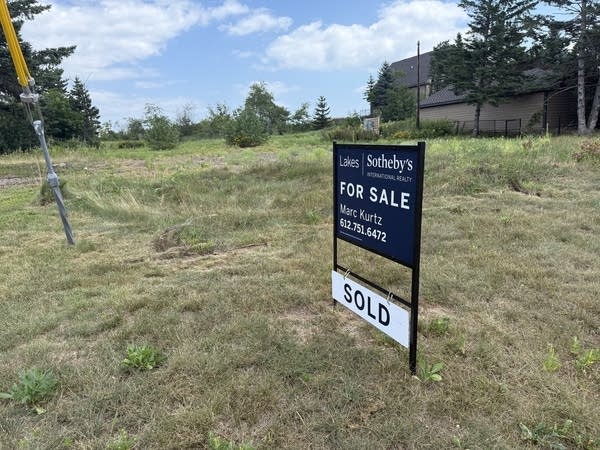
Two other lots are listed for $575,000 and $499,900. Each is listed for about $100,000 more than what she paid for the properties.
The sale of another property, a home on the harbor side of Park Point listed for $799,900, is pending.
Cargill, wife to one of the billionaire heirs of the global food and agribusiness giant, spent over $7 million in all on 13 properties on Park Point from 2022 to early 2024. Through an LLC called North Shore LS, she paid well over market value for several of the properties.
She subsequently razed many of the homes, raising the ire of many locals, including Mayor Roger Reinert, who wrote in a letter to Cargill that “any loss of residential housing is not helpful” in a city experiencing an intense housing crunch.
Cargill also cut down trees on the lots, installed fencing around them, and posted “No Trespassing” signs and security cameras around the properties.
“It doesn’t look very welcoming, and we highly value our sense of community on Park Point,” said Dawn Buck, president of the Park Point Community Club.

Cargill remained mum on her plans for months, fueling speculation and prompting an invitation from Reinert to meet with the city to discuss her plans. A city spokesperson said she has not filed applications for building permits on any of her remaining properties.
Cargill told the Wall Street Journal she had intended to build homes for family members and to help modernize and beautify the neighborhood.
But after Reinert’s letter, Cargill told the newspaper “he kind of peed in his Cheerios right there, and definitely I’m not going to do anything to benefit that community.”
That in turn sparked a tongue-in-cheek campaign dubbed the “Cheerio Challenge,” in which 800 boxes of Cheerios were donated, and $50,000 raised, for Duluth-area food shelves.
The back and forth has roiled Park Point, a close-knit enclave that originally consisted mainly of small cottages. In recent years, many of them have been replaced with large houses, including many second-homes and vacation rentals, a trend that started before Cargill’s buying spree.
Residents have also voiced concerns over property taxes, which have skyrocketed in recent years. Many feared Cargill’s purchases would further drive up real estate values and thus taxes on the point.
Reinert said it’s a positive development to see lots on the market in a community in need of housing at all income levels.
“We would love to see the sale of these properties result in new year-round permanent residents in our Park Point neighborhood.”
Buck said Park Point residents are also excited to see new homes built and new neighbors move in. But she said community members are concerned they could become vacation rentals or seasonal properties.
“When she bought those homes, especially the smaller, more market rate homes, a number of homes were lost to regular people. So we wonder what type of homes might go up,” said Buck.
“We like to see new neighbors, but we're curious,” Buck added. “We're still worried.”


 English (US) ·