
ARTICLE AD BOX
The Duluth City Council voted 8-1 late Monday night to transfer the former Lester Park Golf Course to the Duluth Economic Development Authority, clearing the way for a land use study of the more-than-200-acre parcel that could lead to a neighborhood-scale housing development on Duluth’s far northeastern edge.
The ordinance also permanently protects as city parkland about 1,500 acres of former county tax-forfeit land scattered throughout the city, a process that had been in the works for years.
The vote came after two hours of impassioned public testimony, much of it focusing on the public process that led up to the vote, which several residents described as confusing and lacking in transparency.
But City Council Vice President Lynn Nephew said the council tried to strike a balance by preserving green space — one of the key factors that draws people to Duluth, she said — while also addressing a critical housing shortage.
A recent study found the city needs to add more than 8,000 housing units in the next decade to meet increasing demand.
“We need to think about tax base growth. We need to think about housing folks. Our community is going to grow. We have to make sure our community does leave the gate open and welcomes more people in,” Nephew said.
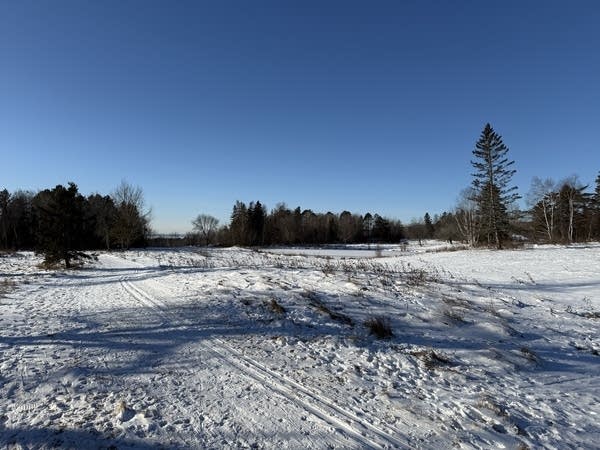
Duluth Mayor Roger Reinert said the former golf course is one of the few places in Duluth where housing can be built at scale to put a meaningful dent in the city’s shortage.
“Where we can actually create an entire new neighborhood, where greenspace and outdoor amenities are primary assets, versus just leftovers, which is what traditionally happens in residential planning,” Reinert said.
Critics of the public process argued that a land use study should have been conducted first, before transferring the land to the city’s economic development arm, which required a supermajority vote of at least 8-1.
Council member Wendy Durrwachter, whose district includes the golf course land, was the sole councilor to vote against the ordinance. She said she supports housing on a portion of the site, but heard overwhelming objection to the public process from her constituents.
“If we vote yes today, we throw away our protection of the 8-1 security, before knowing the outcome of the land use study,” she said to applause from the crowd in attendance.
She also called the coupling of the preservation of the 1,500 acres of land with the Lester Park land transfer a “false choice.”
“The 1,500 acres are not threatened to any sort of level where we need to acquiesce to this quid pro quo,” Durrwachter said.
Supporters of the ordinance disputed that characterization. “What the council is doing by tying it together, it’s accelerating the permanent protection work so that it has to get done,” said council member Arik Forsman.
It puts a deadline in place to convert the land to park status by January 2027, Forsman said.
Reinert stressed that after the nine-month land use study, the city council will still have an opportunity to vote on the plan the Duluth Economic Development Authority produces.
“It will provide a real plan for this city council to evaluate,” Reinert said. “If what comes back doesn’t meet your values, you still retain the option to vote no.”



 English (US) ·