
ARTICLE AD BOX
There’s something for every creative spirit at Art Heads Studio in downtown Rochester.
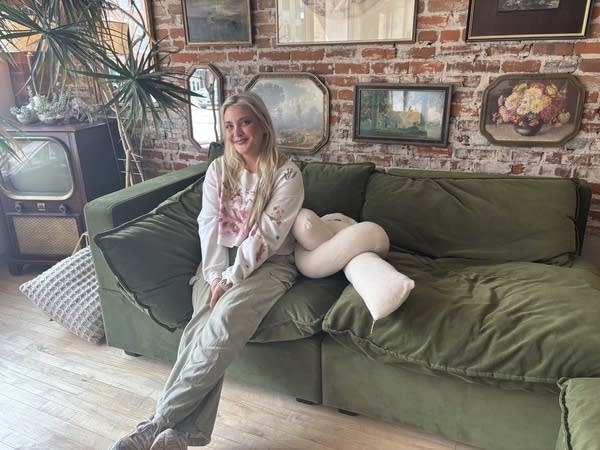
As she walked around her art shop and studio, owner Leah Bee proudly pointed out her collections of crystals, seashells, thrifted goods and other oddities.
"We have things for making your own stamps, clay, sketchbooks, paint,” she said. That’s on top of the art classes taught here, too.
Bee recently doubled the size of the shop by moving next door, which she says she couldn't have done without a $55,000 Main Street grant from the Minnesota Department Of Employment and Economic Development. Hers is one of about 100 businesses in Rochester that received the grants, and the money was meant to help businesses stay afloat during the retail doldrums of the pandemic.
“We applied and put in a few bathrooms and classroom sink and put up a few walls and doors. Here we are a few years later,” Bee said.
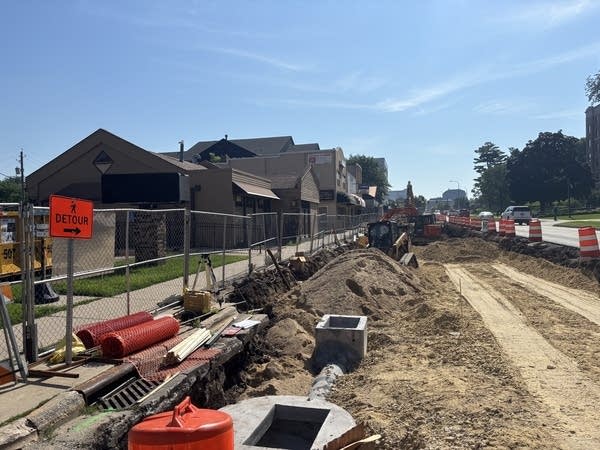
Those additions aren’t very exciting. But they’ve helped Bee succeed in a city of businesses that are also coping with seemingly never-ending waves of construction and road closures. The city is undergoing a 20-year economic development project called Destination Medical Center, which is giving downtown Rochester a dramatic facelift to make the city more appealing to both people living here and to those coming into town to visit Mayo Clinic.
More recently, Mayo broke ground on a $5 billion dollar hospital just blocks from Bee’s store.
She said with all the road and sidewalk closures, detours and orange cones everywhere, it's been challenging to operate a business downtown.
"We could have moved to a different part of Rochester, on the north side. That's all growing. But I didn't want to leave downtown. I love the chaos of things and the community that surrounds us,” Bee said. “I get to meet visitors too, and I think that that's a really special thing that Rochester has to offer because of the clinic."
Grant money invested in infrastructure
Over three years, the DEED has handed out more than $64 million in grants across Minnesota, including $3.8 million and counting to Rochester businesses.
To qualify, owners had to put up at least 70 percent of the funding for things like renovations and expansions, or opening a new shop. The state chipped in up to an additional 30 percent of the total cost. Businesses didn't get grant money until they submitted receipts for the work they'd had done.

In Rochester, the grants were focused on smaller businesses and businesses owned by people of color or veterans, said Patrick Seeb, executive director of the Destination Medical Center Economic Development Agency, which is driving Rochester’s redevelopment.
"So rather than two or three businesses consuming the entire grant pool, really trying to target and make it accessible to smaller businesses,” he said. “Our median award was around $20,000."
And they had to be in a downtown area that overlaps with DMC’s development footprint. Nonprofit organizations getting the funding ranged from a homeless shelter to places of worship. And a few large commercial and residential developments got big grants, too.
The money was used for physical improvements that stay with the property even after tenants move out. Seeb said that's a good thing because it can continue to pay dividends for the building owner, and the city, even if the business the grant intended to help moves out or closes up shop.
“I think the beauty and maybe the genius behind this program is that the award goes for capital investment, so what one might think of as generally permanent fixtures or reconstruction or permanent finishes,” he said.
Some Rochester storefronts shutter despite winning grants
Most grantees have survived the ups and downs of Rochester’s transformation — but not all.
A coffee shop that got a $181,000 grant shuttered in less than a year. The property remains vacant.
The owners of a downtown building got a $186,000 grant to open their restaurant. It closed less than a year later, allowing the building owner — who also opened the restaurant — to put the newly renovated space back on the market and profit from it.
A bakery approved for a $120,000 award in the first round of the program never used the money. That money was shoveled back into subsequent grant rounds after it remained unclaimed.
Nate Nordstrom used a $32,000 grant to open a second location of his bike shop two years ago on a busy downtown corner.
“One of the big groups we serve is commuters. So, cargo bikes, electric bikes are absolutely perfect for that. Of course, Mayo is also putting a ton of investment in downtown, and then you see a ton of these apartment complexes. The idea was to continue serving that population,” said Nordstrom.

But Nordstrom closed the new shop earlier this year. He said his experience shows that operating a successful business in Rochester right now relies on far more than a good location and a financial boost from the state.
"I think we need more volume, is one thing, which just takes time. The construction is definitely a big pain point,” he said. “I actually think that part of town for what we tried to start there would be good. I think we're too early.”
Still, Nordstrom said he’s excited for what Rochester's downtown will look like in a few more years. And it may take that much time for taxpayers to know if the Main Street grant investments will have paid off.




 English (US) ·