
ARTICLE AD BOX
The Minneapolis Public Housing Authority broke ground Tuesday on a redevelopment project in northeast Minneapolis. The MPHA is calling it the largest housing redevelopment in the city’s history. The complex is known as Spring Manor.
The agency initially estimated the project at $65 million, but finances closed at $78 million.
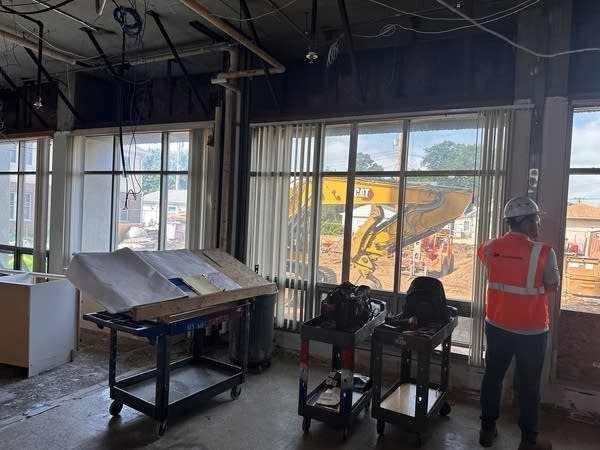
The project includes renovations — $30 million of the total budget — to the current site, as well as the construction of a new four-story building. The new complex is expected to create 15 units designed for residents with mobility needs. The project also includes expanding communal space on the first floor of the current building to around 4,200 square feet, according to the MPHA.
Abdi Warsame, executive director of the Minneapolis Public Housing Authority, said accessibility was a top priority. According to the MPHA, 80 percent of the residents are at least 62 years old, and around half are over 70 years old.
“Unfortunately, these buildings were built decades ago and did not have the same accessibility standards we have today,” Warsame said. “Residents can age in a place with dignity in the community they love.”
MPHA said financing would be available through federal, state and city funding.
Sen. Amy Klobuchar, alongside Minneapolis Mayor Jacob Frey and other local government officials, expressed support for public housing. Klobuchar said more affordable housing should be available.
“Minneapolis has done some unique things, this project being a major part of that to get ahead of the curve,” Klobuchar said. “When you got a situation where prices are going up, where construction costs aren't easy, this kind of investment is more important than ever because it's getting harder and harder for people to afford housing.”
Beatrice Mount has been part of the community since 2011. Mount was grateful for the renovations and said public housing has allowed her to have a place for herself.
“Well, if it wasn’t for that, I couldn’t afford to live. I’d be on the street. When they figured my rent, it is one-third of what I have left after medical costs and that I can afford,” Mount said.
Nationally, the number of affordable housing units is on the decline. The Associated Press reported more than 200,000 affordable housing units could disappear in the next five years.
“In 2023, over a quarter of all American renters paid more than half of their income toward housing, and that’s why having more supply and more choices at all levels will make a major difference for our economy and for people,” Klobuchar said.


 English (US) ·