
ARTICLE AD BOX
A new medical school in St. Cloud aims to help address a severe shortage of physicians serving rural Minnesota.
The University of Minnesota Medical School’s CentraCare Regional Campus is the first expansion of the U’s medical school in more than 50 years, since the Duluth campus opened in 1972.
It’s also a unique partnership between the university and CentraCare, the region’s largest health care provider, which is facing an urgent need for more doctors.
According to a 2024 report from the Minnesota Department of Health, the median age of physicians practicing in rural Minnesota is 60 years old, compared to 48 in urban areas. One in three plans to leave the workforce within the next five years.
There’s already a large gap between the health needs of rural Minnesota and the clinical care available, said Dr. Jakub Tolar, dean of the University of Minnesota medical school. He noted that 20 percent of Minnesotans live in greater Minnesota, but only 10 percent of physicians practice there.
“There is a big distance, a big gap, between the needs of the people who live in rural Minnesota and the clinical care they get,” Tolar said.
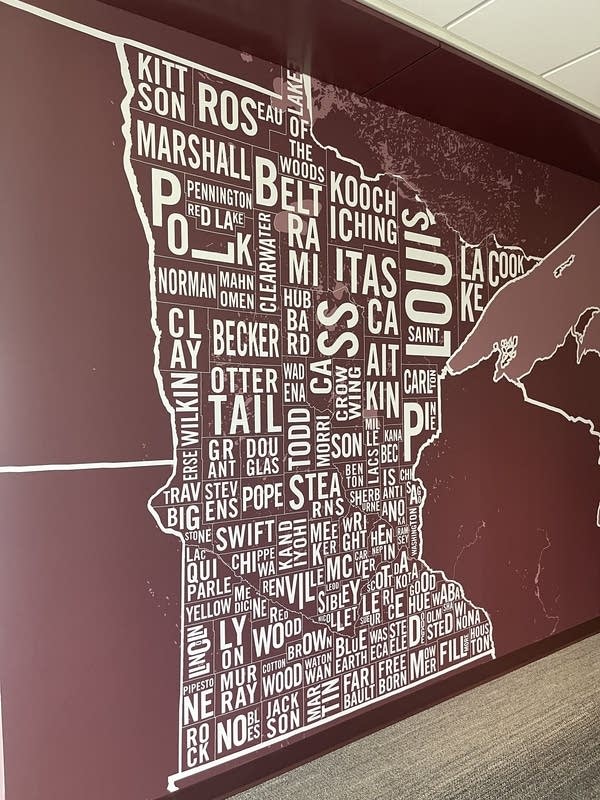
Having a regional campus in St. Cloud will make it easier to recruit students from their hometowns and train them close to home, he said.
“So they will stay where they grew up, with their farms, with their families and where they trained, where they know the communities and the communities know them,” Tolar said.
In a few weeks, the first group of 24 medical students will start classes at the new school. All are from Minnesota. The majority come from towns with fewer than 20,000 people. Some, including Bowlus and Gilman, have just a few hundred.
The hope is when the students complete their medical degrees, they'll return to those hometowns to practice.
“I just think it’d be so fulfilling to give back to the community that raised me,” said Peyton Kopel, a Sauk Rapids native who will be in the inaugural class. She graduated from Foley High School, east of St. Cloud, and attended the College of St. Benedict and St. John’s University.
Kopel said she was drawn to attending the St. Cloud medical school in part by the idea of living and working in a smaller community.
“Ultimately, I think the lifestyle of the patients and the lifestyle that it would allow me and my family — to be able to enjoy the nature, the space, the quiet that rural life brings,” she said. “But then also, there’s a need here and it’s calling to me.”
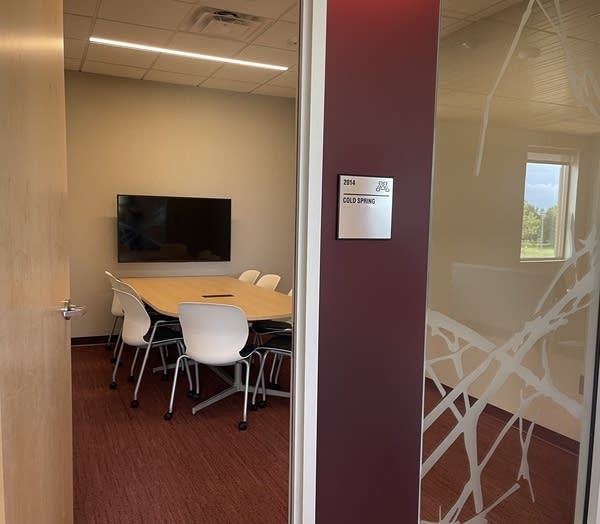
Small details throughout the school reflect the connection to rural Minnesota. Conference rooms and study spaces are named for the hometowns of the first student class, including Cold Spring, Willmar, Slayton and Becker.
Katie Horak, a native of Buffalo, graduated from the U of M last year with a chemistry degree. She’ll be among the first students attending the St. Cloud medical school, and hopes to live and practice medicine in central Minnesota when she’s done.
“To be able to live in a community, grow and do your medical career in this community, and then to have a future in this community — it just seems so impactful, and I think I can really make a big difference that way,” Horak said.
Horak said working as a patient care technician in Buffalo gave her a glimpse into the disparities that often exist between rural and urban health care — such as patients having to travel farther to receive care.
CentraCare contributed a former office building overlooking the Sauk River in St. Cloud and the cost of renovating it, a total of $20 million. The state Legislature provided $10 million for the project.
CentraCare also built a housing complex next to the school to house students and their families.
The apartments range from studio to three-bedroom units, said Jessie Roske, CentraCare's medical director of graduate medical education. There’s a recognition that “some of our learners have families, and really need the chance to have that ability to grow and have their whole family with them,” she said.
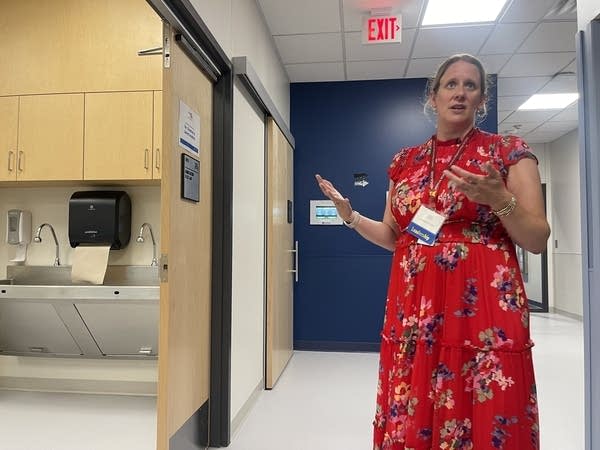
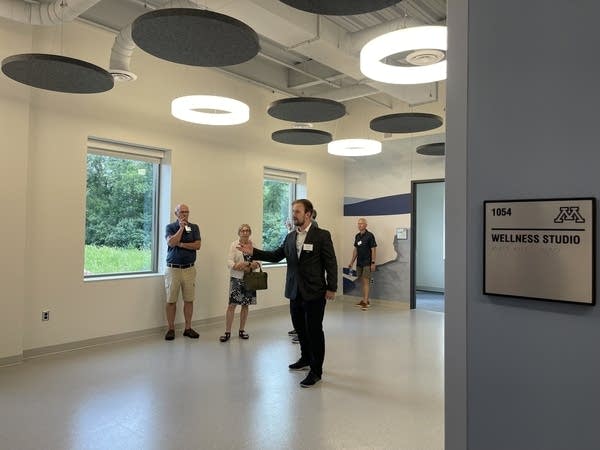
The academic building features lots of natural light and views of the nearby Sauk River. There’s a simulation lab, where students will practice their skills in exam rooms and emergency bays that just look like the real thing.
Other amenities include a wellness center with fitness equipment, so busy students can stay healthy and balanced.
By 2028, the medical school expects to have 96 students. The hope is they soon will be practicing medicine throughout greater Minnesota, and helping improve health care access in rural communities.
Local officials think the medical school will benefit the St. Cloud community beyond just health care.
“You’re going to be attracting students from around the region or across the world, so that’s important. They bring their families here, and they invest,” said St. Cloud Mayor Jake Anderson. “So I think the ripple effects extend much further out.”


 English (US) ·