
ARTICLE AD BOX
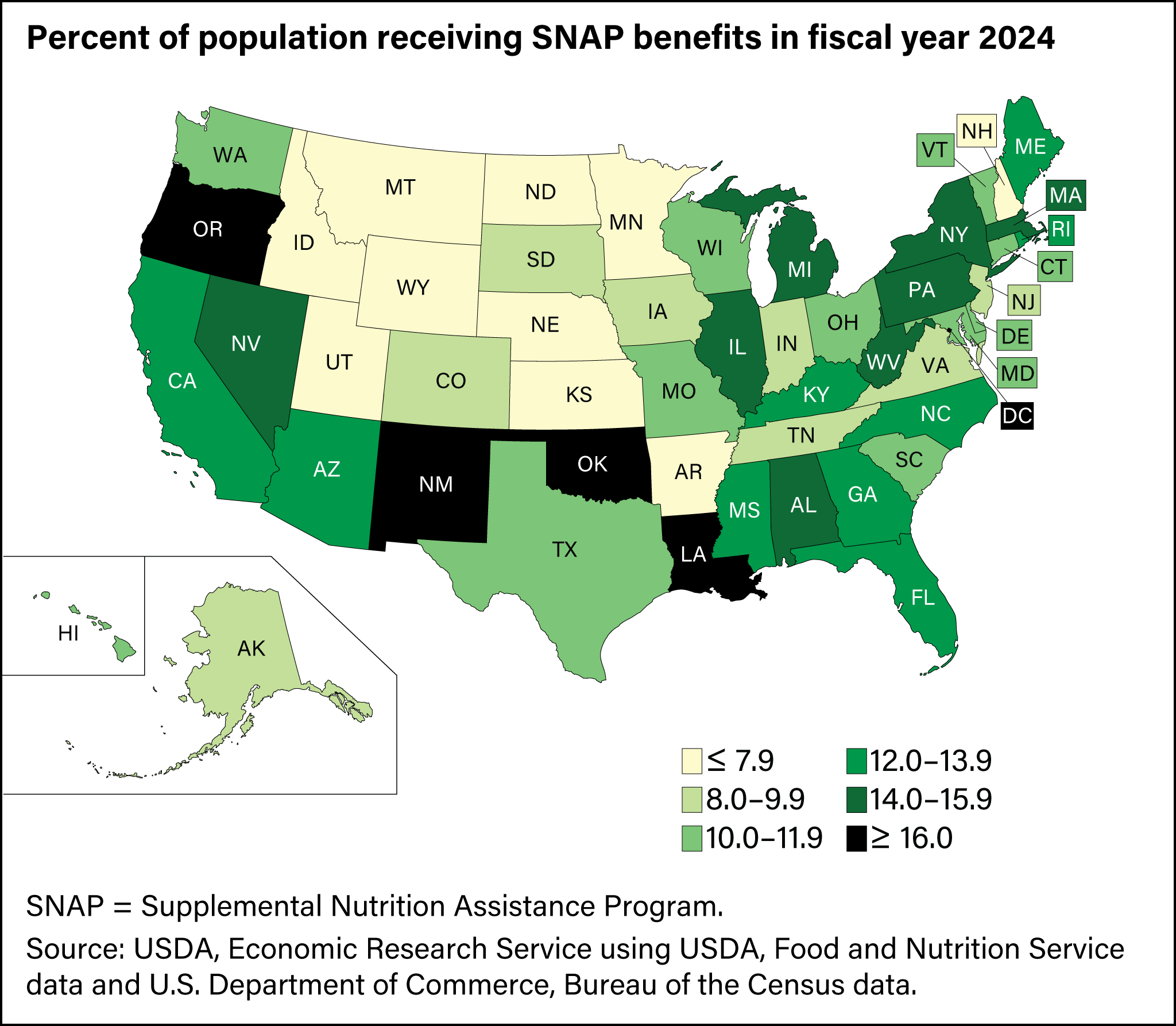
Nearly 42 million people nationwide — including over 440,000 Minnesotans — rely on the food assistance program in limbo as the federal government shutdown stretches on.
As a result of the shutdown, benefits through the Supplemental Nutrition Assistance Program, or SNAP, are delayed and possibly reduced this month.
Food shelves in Minnesota report they cannot meet the demand for food, even with Gov. Tim Walz approving one-time emergency funding of $4 million to help. For every one meal that food banks provide, SNAP provides nine of them.
MPR News rounded up what we know about how the disruption to SNAP benefits impacts Minnesotans.
First, what is SNAP and what’s going on?
The Supplemental Nutrition Assistance Program, or SNAP, is a federal program that provides food assistance to children, seniors, people with disabilities and low-income people. The program was previously called food stamps. Benefits are loaded monthly onto an electronic benefit card, which works like a debit card, so people can purchase groceries.
The program first took a hit in July when Trump signed what he called the “One Big Beautiful Bill” which cut SNAP benefits nationwide by nearly $300 billion over the next 10 years.
Then, with the continuing federal government shutdown, benefits were expected to be fully cut this month. Though the Department of Defense has tapped research and development funds to pay active-duty service members, the Trump administration initially said it couldn’t pay out SNAP benefits from a contingency fund of over $4.5 billion — about half of the $9 billion the government usually pays out for SNAP each month.
Twenty-five states, as well as the District of Columbia, challenged the decision in court and two judges ruled last Friday that the administration had to pay out available funds. The plaintiffs had also argued a separate fund with around $23 billion could be tapped.
Thursday, a judge in Rhode Island ordered the Trump administration to find the money to fully fund SNAP benefits for November, a decision the administration promptly appealed.
What is the impact in Minnesota?
The total loss of federal funding for SNAP in Minnesota is an estimated $73 million each month.
What does that mean for access to SNAP benefits in Minnesota?
On Thursday, Minnesota officials said they’re waiting for further guidance from the U.S. Department of Agriculture regarding the latest court ruling requiring full funding of SNAP.
As a result of last Friday’s court rulings, state leaders had said SNAP recipients in Minnesota would receive some benefits this month, but their benefits would be reduced and it was unclear when they would receive them.
SNAP recipients would receive, at most, 65 percent of their normal benefit in November, according to an update by the Minnesota Department of Children, Youth and Families, shared before the latest ruling on Thursday.
The day prior, commissioner Tikki Brown had said under the guidance from the USDA, Minnesota’s recipients could expect to see about half of their typical EBT benefits for November. Benefits would decrease by another 30 percent for recipients who are working, under the parameters issued by the federal government.
Brown said the state was working to update its software with the new formula to get November benefits out the door. But it was not clear when that would take place.
There’s a decades-old federal regulation dictating a formula for how SNAP reductions should be carried out. One of its wrinkles, which applies only to households with one or two people: Their minimum benefit would be $16. Some bigger households are in line to receive nothing for November.
Who receives SNAP benefits in Minnesota?
About one in 13 Minnesotans receives SNAP benefits every month, according to state officials.
The Minnesota Department of Children, Youth, and Families reports that includes
152,000 children
72,000 seniors
52,000 adults with disabilities.
That also includes an estimated 12,000 veterans in Minnesota, according to the Center on Budget and Policy Priorities.
Just over half of SNAP recipients in Minnesota are white. Twenty-six percent are Black, eight percent are Asian, five percent are American Indian and five percent Hispanic.
Where do SNAP recipients live in Minnesota?
SNAP recipients live across Minnesota.
Officials report 45 percent of SNAP recipients live outside the Twin Cities metro, proportionate to the near 45 percent of Minnesotans residing in Greater Minnesota, according to the Metropolitan Council.
The USDA provides a dashboard of SNAP participation by congressional districts. In 2023, the most recent data mapped, the areas with the highest percent of households participating in SNAP were, in order:
Congressional District 5, which includes Minneapolis and its suburbs, with 10 percent of households participating. This district is represented by Democratic Rep. Ilhan Omar.
Congressional District 4, which includes St. Paul and many of its suburbs, with 9.7 percent of households participating. This district is represented by Democratic Rep. Betty McCollum.
Congressional District 8 in northeast Minnesota, which includes the Iron Range, with 9.1 percent of households participating. This district is represented by Republican Rep. Pete Stauber. Of all districts in Minnesota in 2023, it was home to the highest percent of households on SNAP that have a person with a disability, at 54.5 percent.
Congressional District 7 in western Minnesota, with 9 percent of households participating. This district is represented by Republican Rep. Michelle Fischbach.
How much are SNAP recipients getting?
In Minnesota, SNAP provides an average of $5.46 per person per day, resulting in a total monthly benefit of under $170 per person, although that varies based on several factors.
The average family on SNAP in Faribault County receives about $281 each month in food support, according to Nicole Worlds, financial assistance manager for Health and Human Services for Faribault and Martin Counties in southern Minnesota.
A 55-year-old Mankato woman told MPR News that her son with disabilities gets $66 a month.
For reference, state researchers in 2024 estimated the average family in Minnesota — comprised of three people — needs $964 a month for food. The maximum SNAP allotment for a family of three is $785, but as of Wednesday that has been lowered to $510.
An analysis by the progressive Center on Budget and Policy Priorities found that in the 12 months that ended in September 2024, just over one-third of beneficiaries received the maximum amount.
What does this mean for Minnesota’s children?
Over a third of SNAP recipients in Minnesota are children.
Some sources told MPR News that Minnesota’s free school meals program may help feed their children.
Participating Minnesota schools offer free breakfasts and lunches to all students, regardless of family income, thanks to a 2023 bill. The program continues, though it costs a lot more than initially budgeted — $81 million more over the next two years and $95 million in the two years after that – and state legislators last spring had proposed rolling back eligibility.
For now, households with infants and children under 5 years old can still access benefits under the Women, Infants and Children (WIC) food assistance program, which the Minnesota’s Department of Health said is funded through mid-November.
People eligible to apply for WIC include lower-income pregnant, recently pregnant, and breastfeeding women, and infants and children under 5 years old. Caregivers including dads, grandparents and foster parents may apply for children under five in their care.
The Minnesota Family Investment Program — another program to support low-income families with children and pregnant women — will issue cash assistance benefits in November, but not food assistance.
How do SNAP dollars impact the Minnesota economy?
In the 2022-2023 fiscal year, state officials report SNAP recipients spent more than $1.1 billion in benefits statewide.
In Olmsted County alone, there are nearly 13,000 people on SNAP who collectively receive about $1.9 million monthly in benefits.
More than 3,600 authorized retailers in Minnesota accept SNAP benefits, and the state reports that every dollar spent by those receiving SNAP funding generates up to $1.50 in local economic activity — boosting not just grocery and other food retailers, but their suppliers, business partners and neighboring retailers.
The delay and cut in SNAP benefits is hurting small, independent grocers, especially those in rural towns already struggling to stay afloat.
Residents in Faribault and Martin Counties spend about $500,000 combined in SNAP benefits each month, according to Worlds.
Tim Juba, co-owner and store manager at Juba’s Supervalu in Blue Earth, Minn., said SNAP recipients make up almost five percent of his sales and that every dollar lost eats into his already very thin profit margin.
This article includes reporting from MPR News staff Hannah Yang, Dana Ferguson, Erica Zurek, Regina Medina, Elizabeth Shockman, Estelle Timar-Wilcox, Cathy Wurzer and Lukas Levin; interns Grace Praxmarer and Olivia Hanson; and The Associated Press.


 English (US) ·